Empowering Patients with Visual Illustrated Contracts
Visual illustrated contracts and consent booklets empower patients and research participants — regardless of literacy level or language — to fully understand and engage with complex medical and legal documents.
Legal contracts use complex wording and jargon making them difficult to understand. When the document is in a language other than the native language of one of the parties, or when one of the parties has lower literacy levels, this gap in understanding can create a power imbalance between them.
Seeking a solution to this universal problem, lawyer Robert de Rooy developed the Comic Contract — the world's first fully illustrated contract, where the terms of the contract are illustrated in pictures that illiterate people can understand and sign. Robert set up Creative Contracts, a team of lawyers, designers and copywriters that works with Jincom, specialists in visual health and safety tools for industry, to simplify and visualise complex technical text-heavy documents into visually engaging, accurate and legally binding contracts.
The goal of an illustrated contract is that both parties, regardless of their literacy level or proficiency in a language, can fully understand the terms of the contract. The simplified contracts are visually engaging, accurate and legally binding — with the parties represented by characters and the terms captured in pictures. The parties sign the comic as their contract. In other words, the comic is the contract.
Empowering patients
Visual illustrated booklets also empower patients undergoing treatment for drug-resistant tuberculosis (TB). Researchers from the TB and HIV Investigative Network (THINK), funded by USAID, work with rural communities in KwaZulu-Natal, South Africa, and commissioned Creative Contracts to produce a booklet in English and isiZulu for patients. The booklet uses illustrations to explain the treatment regimen — which involves up to seven different drugs and a detailed dosing schedule — along with a progress chart, information on potential side effects, and correct storage of medication.
The pictures tell a story that most of our patients understand. It starts with their first hospital visit and follows the journey until they are discharged. It also explains things that they need to practice at home.
Feedback from the THINK study has been very positive, with researchers sharing that the success of the treatment adherence programme can be attributed to the development of the Adherence Information Booklet and pillboxes. Claire Harcourt-Cooke, Creative Contracts Project Director, shared how contract workers have said that the representation in the comics makes them feel valued and empowered — that seeing something designed with them in mind puts the relationship on a more solid footing.
Representation matters
Creative Contracts is currently working with four healthcare-related projects: THINK-TB, and three research projects at Stellenbosch University — CHERISH, MIGH-T Mo and ESSENCE-Q. CHERISH is a study involving babies of women with HIV up to three years of age, led by paediatrician Dr Amy Slogrove. Creative Contracts produced consent booklets in English, Afrikaans and Xhosa, covering patient consent forms and a consent form for interpreters — accommodating participants who may be illiterate or speak another language.
The fourth healthcare project, ESSENCE-Q, is a neurodevelopment study examining the effectiveness of using the ESSENCE questionnaire in screening for autism and other neurodiverse conditions. Claire explained that this project presented a unique challenge: the booklet had to illustrate symptoms of autistic children while remaining sensitive to how those children are represented, so that parents are not alienated when seeking a diagnosis.
Improving commitment to long-term studies
One key benefit of using visuals in healthcare is improving commitment to long-term studies. While each research project takes a different approach, the ultimate goal is the same: helping researchers with treatments. Something that is visual and well-explained makes a big difference when it comes to recruiting and retaining participants.
The booklet for the CHERISH research study, for example, includes a section explaining what the participant will receive from taking part — including pregnancy scans and antenatal care. As Claire explains: 'I think one of the reasons they wanted this informed consent illustrated is to make sure people come back. That's the big thing: being able to explain to participants that they do need to come back, that they are contributing to important research, and the benefits they get as well.'
Overall, creating contracts and consent documents that are visual and easily understood benefit everyone — and help ensure the relationship between medical researchers and patients is transparent and satisfying to both parties.
The work
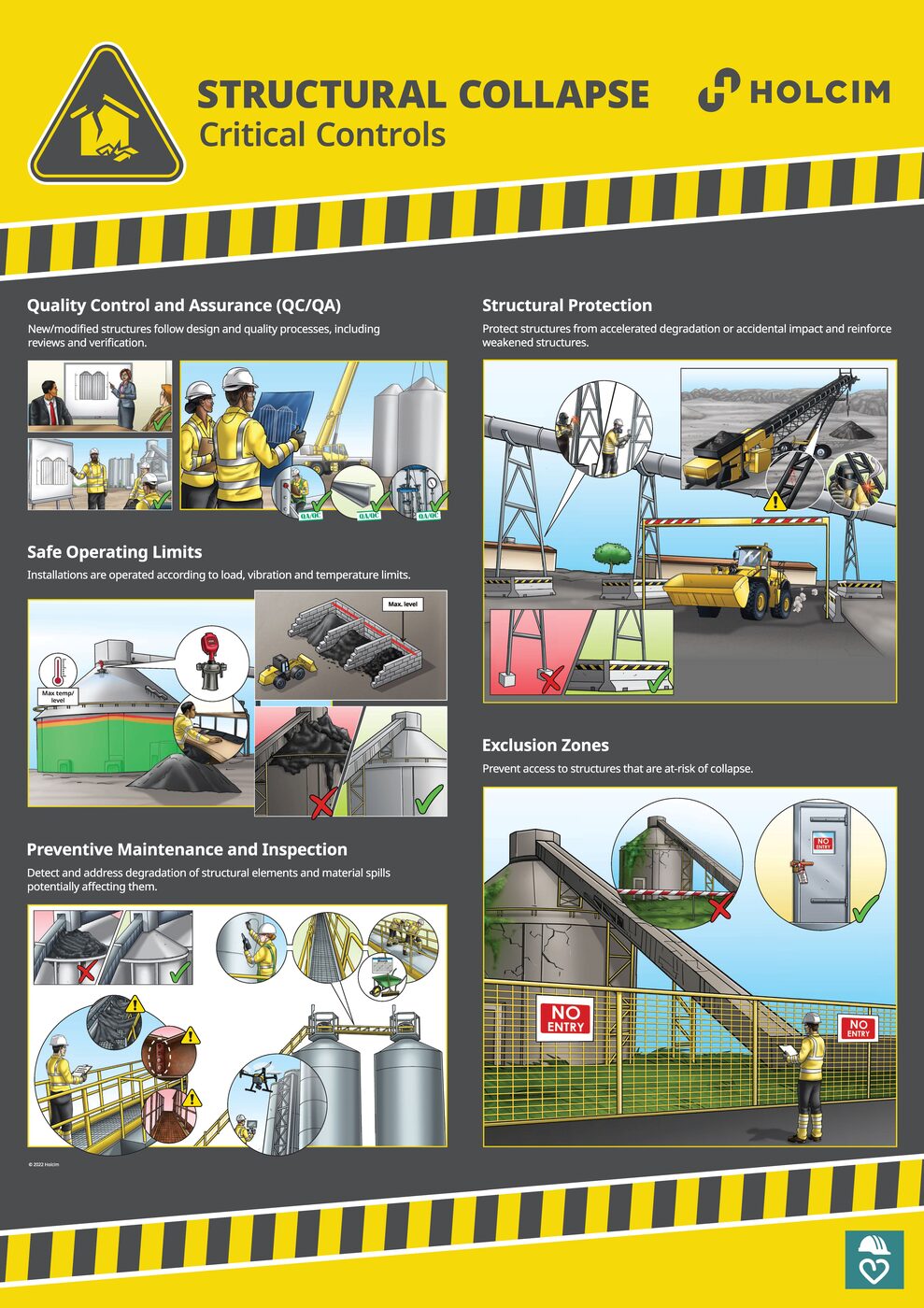
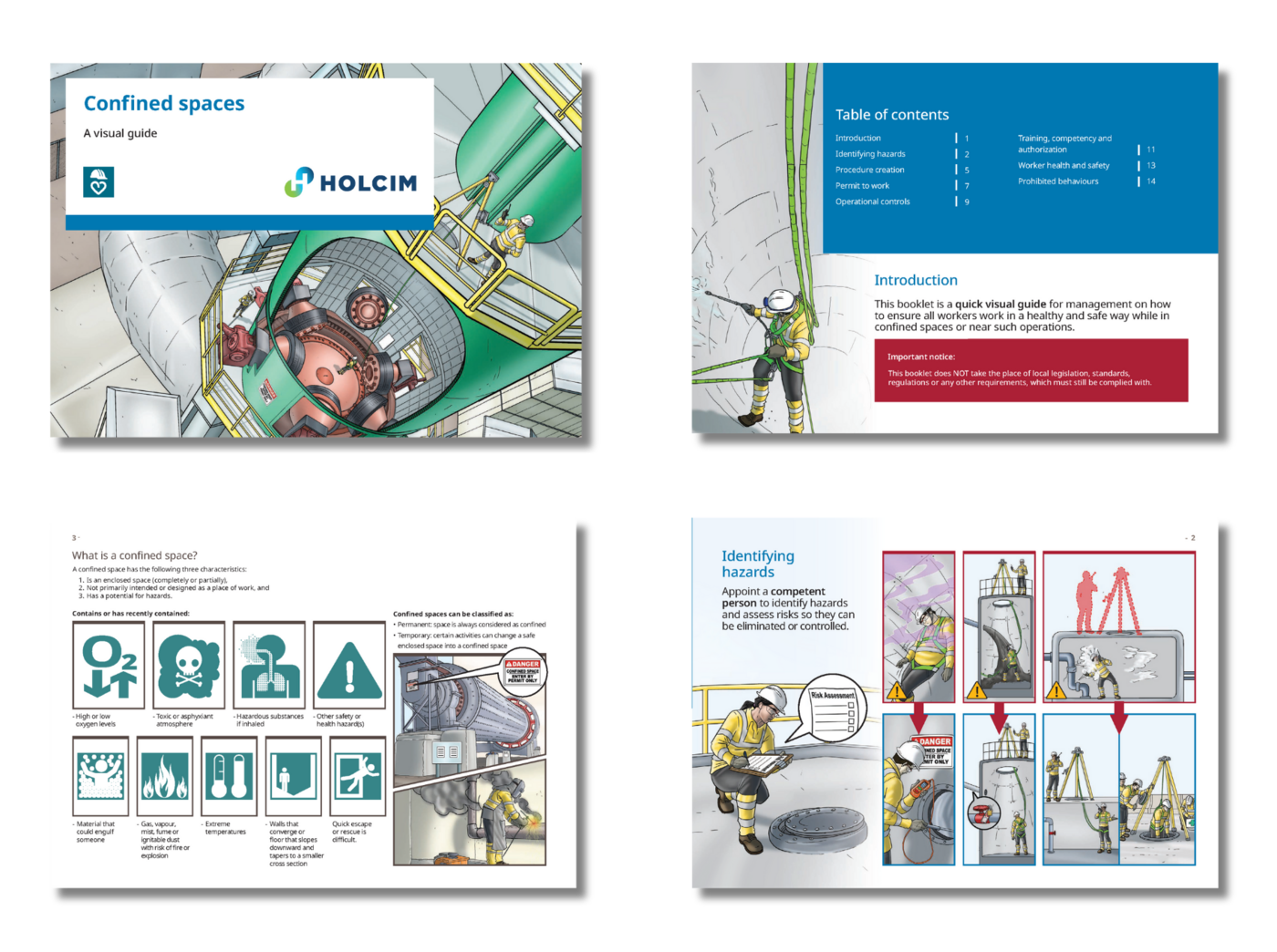
Let us simplify and visualise your critical information.
See how Jincom can transform your safety communication for a workforce that actually understands it.